

Tesco – 20% Reduction in Damage Costs Year-On-Year
See how FleetScout has helped Tesco’s fleet reduce damage costs by 20% year-on-year.

Scan vehicles for damage, safety issues, and compliance concerns in seconds using FleetScout’s advanced visual AI.
Easy-Install Inspection Systems
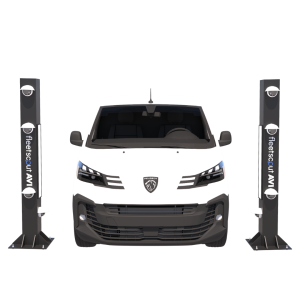
Our car & LCV damage detection systems can be fitted easily in both indoor and outdoor settings – like workshops, depots, car parks, and site entry lanes.
With high-tech lighting, high-speed cameras, and optional tyre & underbody scanning, FleetScout AVI gives fleets and their maintenance partners a smarter way to monitor condition across every vehicle, at all times.
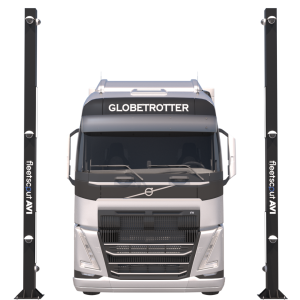
FleetScout’s HGV inspection systems have been designed to identify damage, defects, and safety issues on both tractor units & trailers in seconds.
They also come equipped with laser height scanning to verify trailer height instantly upon site exit.
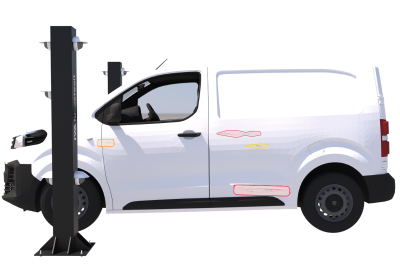
Our advanced damage detection AI has been trained on hundreds of thousands of cases of vehicle damage, across all vehicle types, enabling instant and accurate defect detection.
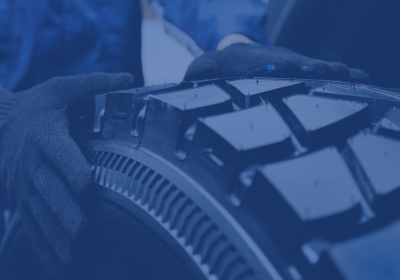
Our fully-automated tyre monitoring solution uses advanced laser imaging to assess tread depth, sidewall condition, pressure, and integrity as the vehicle drives through the AVI system.
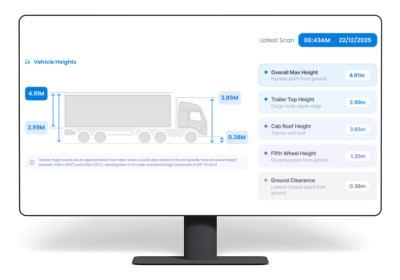
FleetScout’s AVI systems use advanced laser measurements to verify vehicle & trailer height before every journey, helping fleets eliminate the risk of overhead strikes.
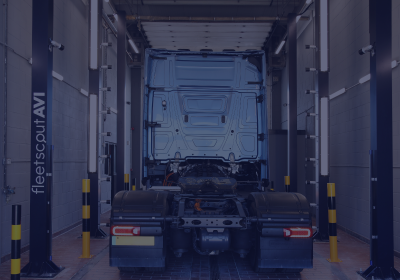
ANPR verifies every tractor & trailer as it leaves or enters your site, ensuring you maintain an accurate record of every fleet asset’s location, condition, and movements.
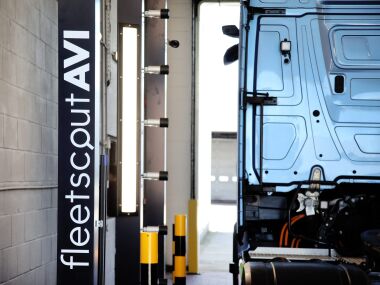
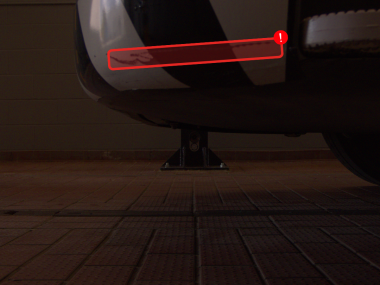
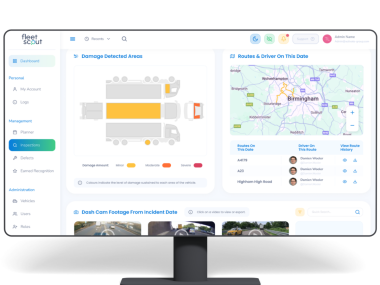
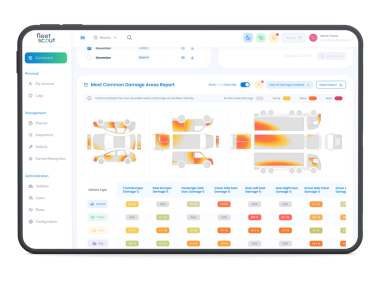
FleetScout fully automates the vehicle damage management process – from detecting damage automatically, to understanding vehicle usage, compliance, and risks.
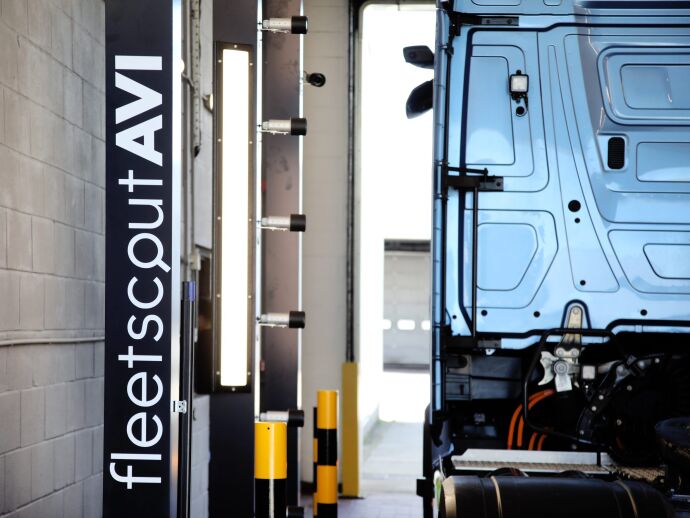
Automate vehicle inspections completely with our easy-install AVI systems. Simply drive through, and let our groundbreaking damage detection model do the work for you within seconds.
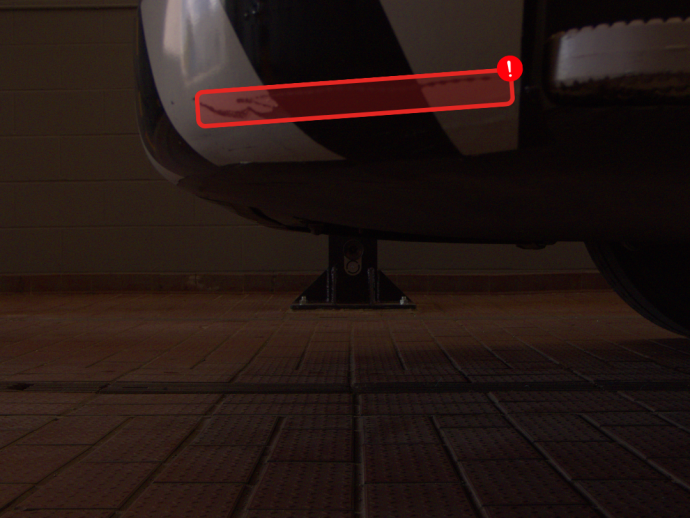
Detect damage, defects, and safety issues instantly, and receive an immediate condition report as soon as the scan completes.
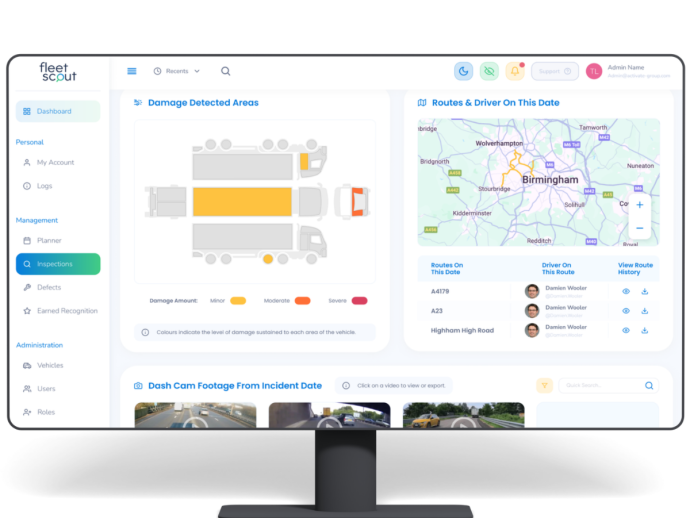
Act fast to resolve safety issues, arrange repairs, and prevent non-compliant vehicles from entering transit.
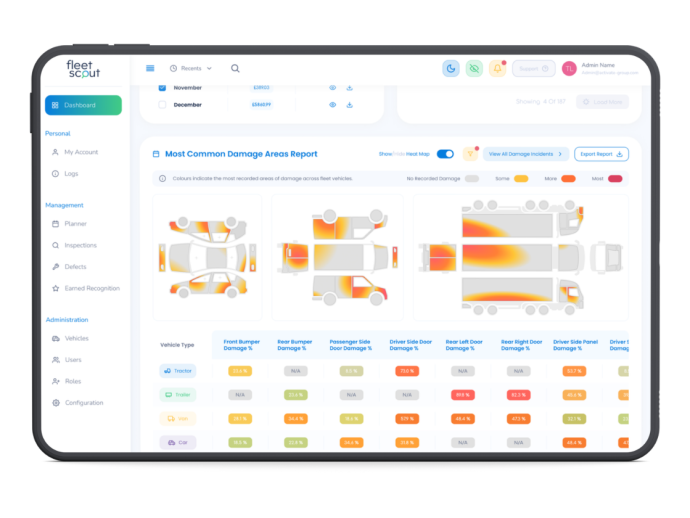
Gain a fully-auditable track record of vehicle condition, defects, and damage to inform driver training, route planning, and claims management strategies.

Never miss a defect again. FleetScout's powerful damage detection model ensures issues are captured instantly on site entry or exit.

Verify vehicle & trailer height before every journey to inform route planning, and eliminate the risk of costly bridge strikes.

Make inspections a non-negotiable part of the driver journey, improving accountability for on-route incident reporting.

Identify and evidence damage as soon as it happens to support claims & cost recovery from agencies and third parties.

FleetScout connects seamlessly with your fleet’s existing systems, and a range of industry platforms to send inspection data, condition reports, and repair instructions anywhere you need.


See how the UK's leading fleets are using FleetScout's advanced AI-powered damage detection to reduce cost, risk, and downtime.
See how FleetScout has helped Tesco’s fleet reduce damage costs by 20% year-on-year.
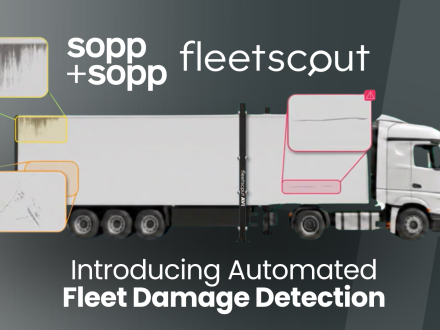
Discover why & how FleetScout’s technology was developed by sopp+sopp.
Learn more about FleetScout’s fully-automated vehicle inspection technology.